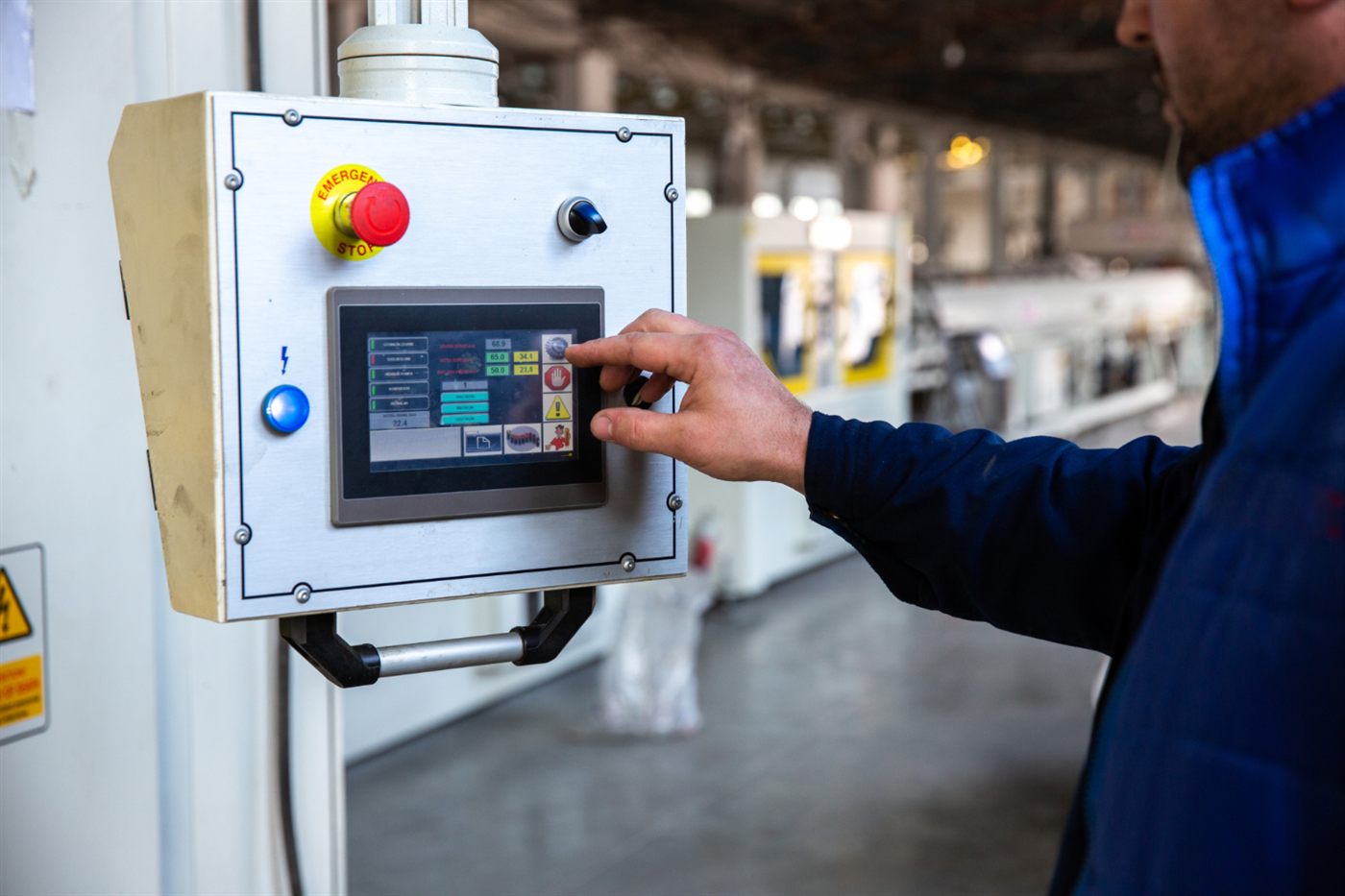
Factory acceptance testing and site acceptance testing answer related but different questions. Agree what each stage can demonstrate, and preserve the conditions of the test so the result is not stretched beyond the evidence.
Link checks to approved requirements
Give each planned check a requirement reference, expected outcome and responsible reviewer. Identify the proposed hardware and software revision. This makes a later change easier to assess than a general statement that the panel was tested.
Explain what is simulated
At a workshop, some field conditions may be represented by approved test methods. Record those arrangements and their limits. Do not present a simulated indication as evidence that the installed instrument and its complete site connection have been verified.
Reserve site-dependent checks for site
Identify which checks need installed devices, approved access or operational coordination. Have the responsible team plan and authorise them. The test document should not encourage ad hoc changes to live plant merely to complete a checklist.
Keep exceptions visible
Record failed checks, retests and open actions with clear ownership. Use the PLC project acceptance overview to agree how these records contribute to the overall handover decision.
Frequently asked questions
What should accompany a PLC acceptance test result?
Include the requirement, tested revision, conditions, observed outcome and reviewer, together with any exception or follow-up action.
Can a simulated factory input prove the field installation is correct?
It demonstrates the agreed simulated condition; the actual device and installed connection need the applicable site verification.
Should a retest overwrite the original failed result?
Preserve the history and identify the correction and subsequent result so the acceptance evidence remains understandable.