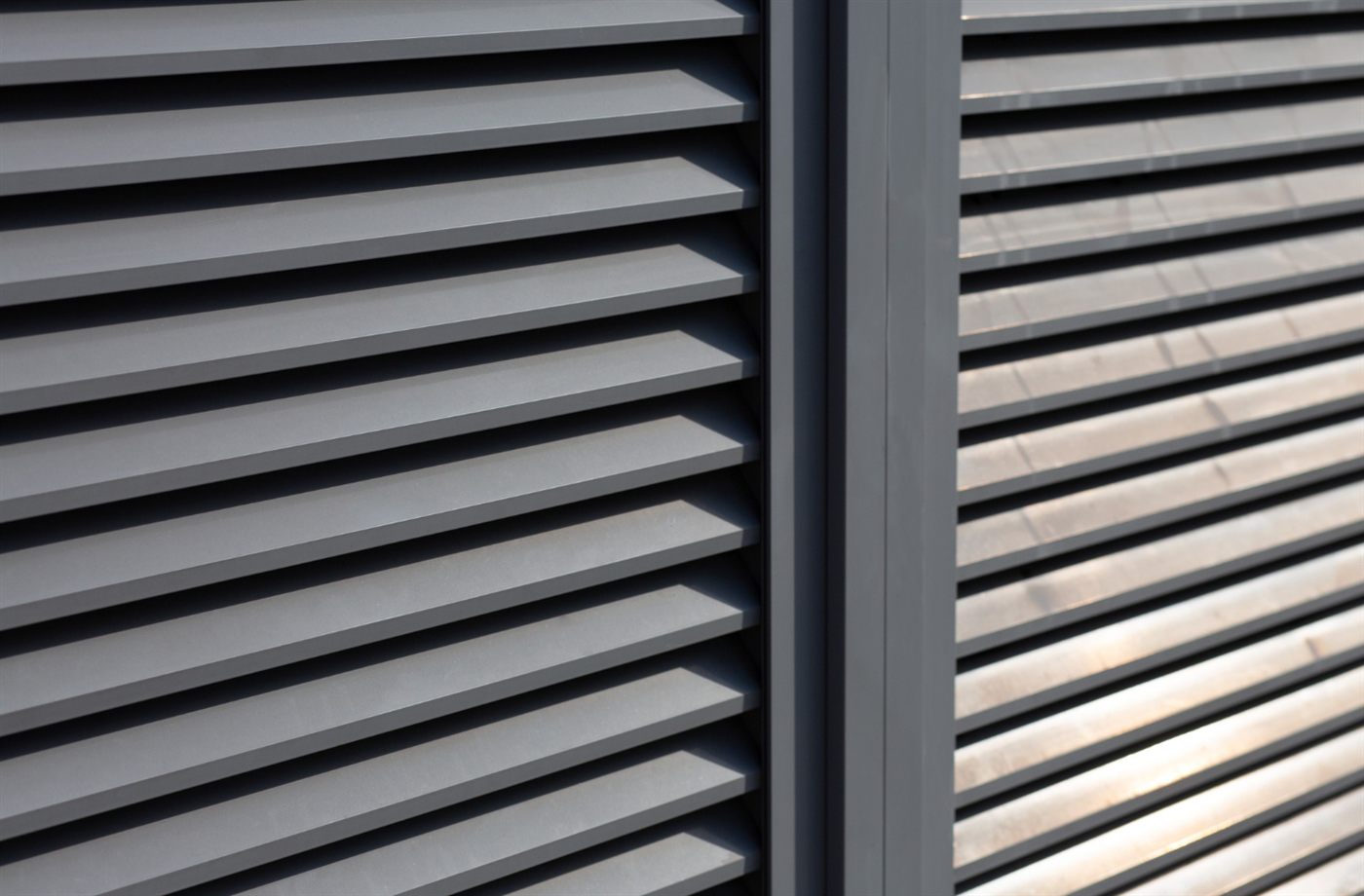
Choose clear glass louvre blades when you want a view through the closed window; consider opaque aluminium blades when you want a solid surface instead. Check privacy with the window partly open, because gaps between tilted blades can still create a sightline. The comparison below helps you separate the material choice from the way the window will be used.
Decide what the closed window should do
Begin with the room when the blades are closed. Would you like to see a garden, admit daylight without a clear view, or create a visually solid surface? Clear glass and opaque aluminium answer those questions differently. If a supplier proposes a privacy glass option, ask to see the actual material rather than relying on a generic photograph.
Breezway’s Malaysian blade options guide distinguishes clear glass, privacy-oriented glass treatments and opaque aluminium finishes. That is a useful overview, but it does not establish which options are available in a particular Optima quotation.
Check the open-window sightline
Blade material is only part of privacy planning. Once the blades tilt, gaps appear between them. Ask someone to consider the opening from the neighbouring walkway, garden or upper floor. The relevant question is what can be seen at the angle you expect to use, not merely whether the blades themselves are transparent.
For example, a side-facing bathroom may need a different arrangement from a stairwell overlooking your own compound. Avoid selecting one blade type for the whole house simply to make ordering easier. A consistent frame finish can still support room-specific decisions.
Put the choice into the quotation
Request a written blade description, including the material and any specified glass treatment or finish. Confirm the appearance of handles, clips and visible frame parts. If colours are being coordinated with existing doors, use an approved sample or finish reference rather than a screen image.
Finally, ask how the selected blades are cleaned and whether they affect the screen or control arrangement. Resolve substitutions before approving manufacture; a visually similar alternative may not deliver the same result in the room.
Compare the everyday result
| Choice | Closed window | What still needs checking |
|---|---|---|
| Clear glass | A view through the transparent blade. | Whether that view suits a private room. |
| Opaque aluminium | No view through the solid blade itself. | Views through gaps when the blades are tilted. |
| Privacy-oriented glass | Appearance depends on the specified treatment. | An actual sample and the sightline from outside. |
The glass treatment and blade choice need to be named in the order; “privacy window” alone leaves too much open to interpretation.
Once you have a blade preference, the manufacturer selection guide will help you describe it alongside the frame, controls and installation work.
Frequently asked questions
Which louvre blades let me see outside when the window is closed?
Clear glass blades provide a view through the blade material. Opaque aluminium blades do not. If you want diffused light rather than a clear view, ask which glass treatments are available for the proposed system.
Will opaque blades provide privacy while the louvres are open?
They block a view through their solid surfaces, but tilted blades leave gaps. Review the window from the outside sightline that concerns you, using the angle you expect to leave open.
Should the blade material be written on the order?
Yes. Record the blade material, any glass treatment and the agreed finish separately from the frame specification. This helps prevent an aluminium-frame description from being mistaken for a complete material selection.